Beyond Thoughts and Prayers: Caring for Children’s Bodies
If we just talk of thoughts and prayers
And don't live out a faith that dares,
And don't take on the ways of death,
Our thoughts and prayers are fleeting breath.From: “If We Just Talk of Thoughts and Prayers,” a hymn by Carolyn Winfrey Gillette
In the fall of 2022, my eldest child and I showed up at a counter-protest to a rally led by blogger Matt Walsh, who was calling for a ban on gender affirming care for trans children in Nashville. My non-gender conforming child and I were met with angry shouts from religious folks holding signs with bible verses on them, telling us that people like my child were condemned and people like me were abusers (also the first time an angry man called me “Jezebel” to my face).
But I just want alive children, I thought, as they ranted and raved and the Proud Boys stood guard like pillars of false morality.
Shortly after the tragic Covenant shooting in my own city, I attended another protest calling for more meaningful gun control–this time, I took my younger child, a high schooler, who at the time had experienced more than a few "active shooter" drills. She had also been in first grade the very same year that other first graders in Connecticut were targeted and murdered. She held a sign that said, "Protect our children," as so many of us shouted, "We want our children to live!" Perhaps, not unlike the mothers and fathers or aunties and uncles and caregivers that brought their little children to Jesus for a blessing–out of desperation, out of fear, maybe as a last resort.
In that story, when Jesus blesses the children, he doesn’t just offer words of platitude but literally hugs the marginalized children who come to him, affirming that he cares not only for their souls but also their bodies. Jesus blessing the children this way is a radical act of inclusion toward human flourishing and we are called to do the same.
That summer, still carrying the weight of the Covenant Shooting, I attended a children's advocacy conference at Haley Farm just outside of Knoxville, TN. The farm, named after Roots author Alex Haley, is currently managed by the Children's Defense Fund, an advocacy group dedicated to the spiritual and physical well-being of children, especially marginalized children.
One of the cabins at the farm has a wide, wrap-around porch lined with green wooden rocking chairs where folks can sit and experience the deep rest of that sacred place. Engraved on each rocking chair are the names of Civil Rights heroes who have rested on that same porch and walked that same land, as well as the names of children who have been the victims of violence. Emmett Till, a Black child abducted and lynched in Mississippi in 1955. Carole Denise McNair, Carole Robertson, Cynthia Wesley, and Addie Mae Collins were the four girls killed in the 16th Street Baptist Church bombing in 1963. And one little chair for Ana Grace Marquez-Greene, a 1st grader murdered at Sandy Hook Elementary School in 2012. The same age as my youngest daughter.
A printed litany is provided on the porch of Haley Farm that ends with:
God empowers us to be agents of change working for justice, especially for the most vulnerable and all of humanity.*
If we offer any thoughts and prayers over the violence and neglect inflicted on children, they must be prayers that form us into agents of change.
All spiritual and physical well-being is inextricably linked; there is no human flourishing where one exists without the other, and this holds just as true for the child as it does anyone else. The white Evangelical church has so greatly failed in its centering of spiritual well-being without addressing basic physical needs like food, education, or housing. White Evangelicalism rejects its own responsibility and refuses to see its complicity in the white supremacist systems that cause harm.
The statistics are not abstract. These are not numbers, but precious children, made in the image of God, harmed by the violence and neglect of our elected leaders as well as much of the white evangelical church. Gun violence is the leading cause of death for children ages 1–19 in this country. Our LGBTQ kids are more than four times as likely to attempt suicide as their peers. And, heartbreakingly, gay and lesbian students are 38% more likely to consider suicide if they are heavily involved in a faith community. I wrote this portion of my thesis before news of the Epstein Files or Dilley Detention Center came to light.
America is not safe for every child. The church is not safe for every child.
For a child to flourish holistically, we must not only clear away the spiritual traps that might cause harm, but the very real physical dangers that lurk in the shadows. When we sit down to pray with a child for a better world, we had better be prepared to help create one. They hear our prayers, and they are watching to see what will come of them.
What other vulnerabilities do children possess that adults must be mindful of as we engage children in spiritual or religious practices like prayer? Or reading scripture? Or participating in faith communities?
What would it look like today to move in solidarity with our kids and what they are experiencing? What are we doing now to continue that work of dignifying children–the work of keeping them alive and helping them to flourish?
How is God empowering you to be an agent of change?
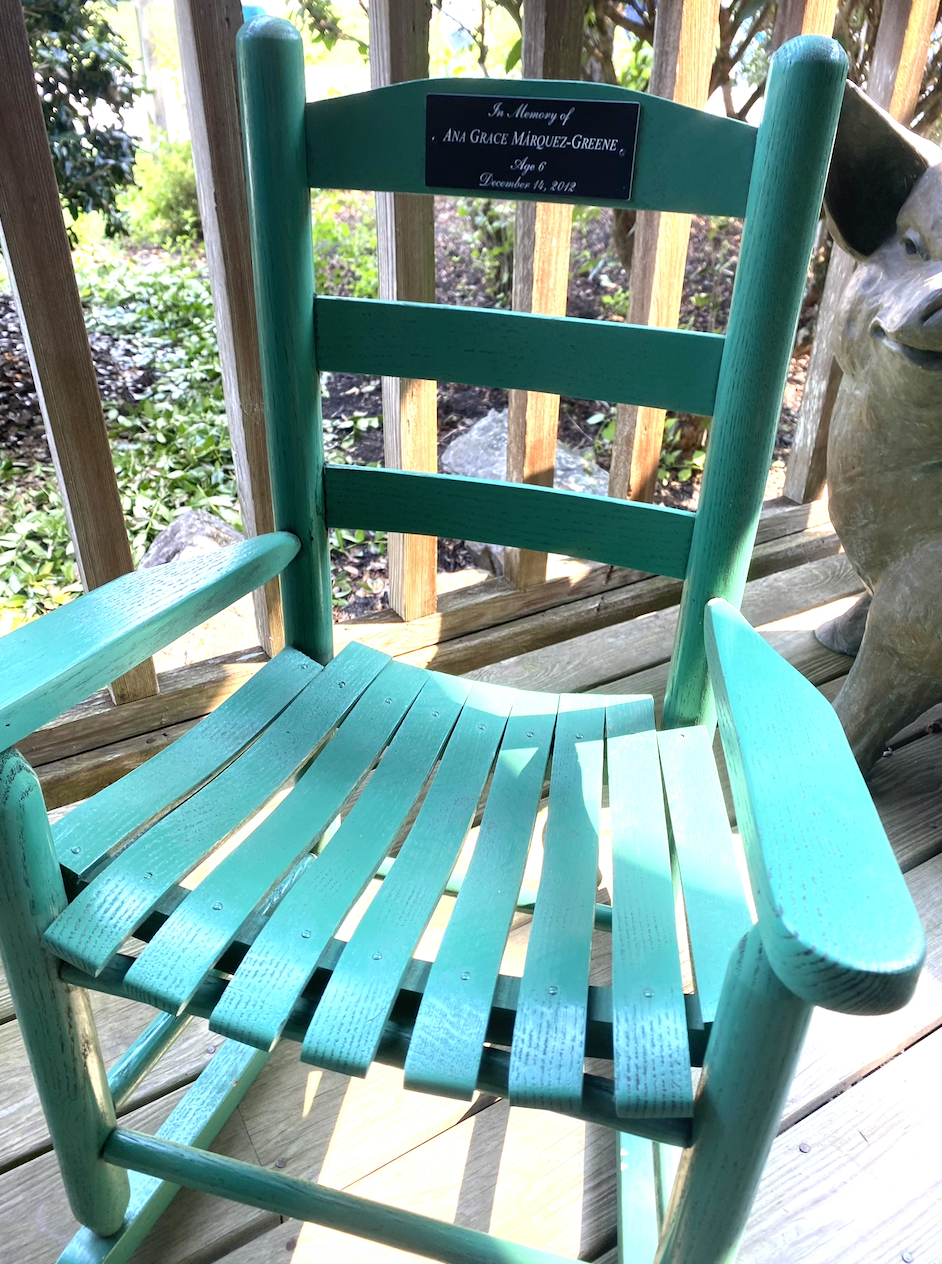
*Litany written by Mary Hood - Hood Seminary, July 2022